Skip to product information
60mm ( 2.36") I.D. Dry Pellet Pressing Die - Die-60D

60mm ( 2.36") I.D. Dry Pellet Pressing Die - Die-60D

SKU: die-60d

Price: RFQ

Specifications

Die-60D is a Complete pressing die with 2 3/8" (60 mm) I.D. is ready for you to make 2" diameter sample pellet. The die is designed for our >30T Pressing machine SPECIFICATIONS: Model Die-60D Die Sleeve Height 2 3/8" (60 mm) Inside Diameter 2 3/8" (60 mm) Outside Diameter 3 3/4" (101mm) Whole set pressing die includes One 60mm I.D. core die made of hardened steel and highly polished with hardness HRC 60 - 62 Ra 0.08μm highly polished steel One stainless steel sleeve is in outside to protect the die from cracking Two pushing rods highly polished and perfectly fitted into die Two steel support plates One steel cylinder for releasing out the sample. Max. Load: 150 metric Ton (at room temperature), or 500 MPa equivalent Max. working temperature 150oC Pressing die installation schematic Cautions Please must always wear protective goggles during operation !!! The pressing die cannot be used for pressing powder with particle size < 30 micron. Small particles may slip into the gap between the pushing rod and steel sleeve and cause damages to the sleeve during the compression. Ball mill and sieve the powder and apply only the 32~75 microns powder to the pressing die to avoid the damages. Please consider using the 3'' Dia. Sieve Set No.200&450 Mesh to seperate the 32~75 microns particles from the powder clumps. Please clean the mould via ethanol after the completion of each experiment. Please use alcohol to clean the pressing die every time before use and store it in a dry place with antirust oil after operation to avoid rusting on the surface, because all pressing dies are made by high-stretched carbon steel for achieving high hardness to meet essential requirements of making ceramic or metal samples. Otherwise, the pressing surface could probably get scratched. To avoid damaging the die core and sleeve, we strongly recommend you use the professional labotory hydraulic pressers which ensure the most even pressing interface and uniform pressure force. For pressing sticky metal powders such as Al, Mg, Zn, it is necessary to use dry or alcohol-based tool lubricant to lubricate the die and sleeve set to reduce friction during the compression. Do not press flammable, explosive materials. Application Note You may consider using BNMR for easy mold release. Please click the picture below to order. Steps to make sample pellet Mixing and grinding chemical powder by agate mortar or Ball Mill Calcine mixed the powder in a high temp furnace under a suitable temperature Crushing and Grinding calcined powder again by mortar or ball mill Put calcined powder into the die Pressing sample by a pressing machine under suitable pressure ( You may use CIP to press again to increase density by about 5 - 10%.) Sintering the pellet under suitable temperature Then, a new material sample is formed! Related Products Pressing Die 1/8" - 3" Powder grinding & Mixing Drying Ovens Calcining & Sintering Hydraulic Press CIP - Cold Isostatic Press

Model  Die-60D
Die Sleeve Height 2 3/8" (60 mm)
Inside Diameter 2 3/8" (60 mm)
Outside Diameter 3 3/4" (101mm)

Whole set pressing die includes
  • One 60mm I.D. core die made of hardened steel and highly polished with hardness HRC 60 - 62
  • Ra 0.08μm highly polished steel
  • One stainless steel sleeve is in outside to protect the die from cracking
  • Two pushing rods highly polished and perfectly fitted into die
  • Two steel support plates
  • One steel cylinder for releasing out the sample.
  • Max. Load: 150 metric Ton (at room temperature), or 500 MPa equivalent
  • Max. working temperature 150oC

Pressing die installation schematic
Cautions
  • Please must always wear protective goggles during operation !!!
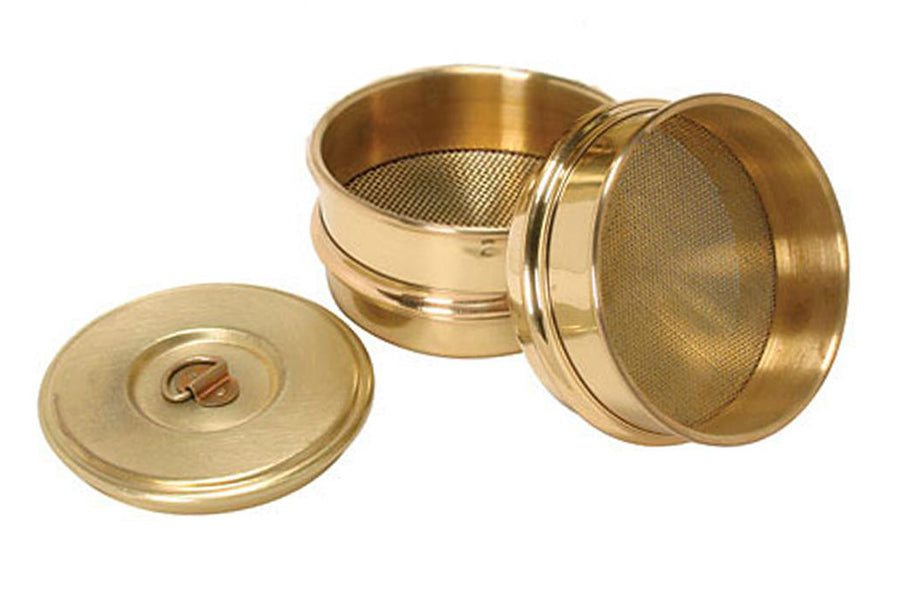
  • The pressing die cannot be used for pressing powder with particle size < 30 micron. Small particles may slip into the gap between the pushing rod and steel sleeve and cause damages to the sleeve during the compression. Ball mill and sieve the powder and apply only the 32~75 microns powder to the pressing die to avoid the damages. Please consider using the 3'' Dia. Sieve Set No.200&450 Mesh to seperate the 32~75 microns particles from the powder clumps. Please clean the mould via ethanol after the completion of each experiment.

  • Please use alcohol to clean the pressing die every time before use and store it in a dry place with antirust oil after operation to avoid rusting on the surface, because all pressing dies are made by high-stretched carbon steel for achieving high hardness to meet essential requirements of making ceramic or metal samples. Otherwise, the pressing surface could probably get scratched.
  • To avoid damaging the die core and sleeve, we strongly recommend you use the professional labotory hydraulic pressers which ensure the most even pressing interface and uniform pressure force.
  • For pressing sticky metal powders such as Al, Mg, Zn, it is necessary to use dry or alcohol-based tool lubricant to lubricate the die and sleeve set to reduce friction during the compression.
  • Do not press flammable, explosive materials.
Application Note
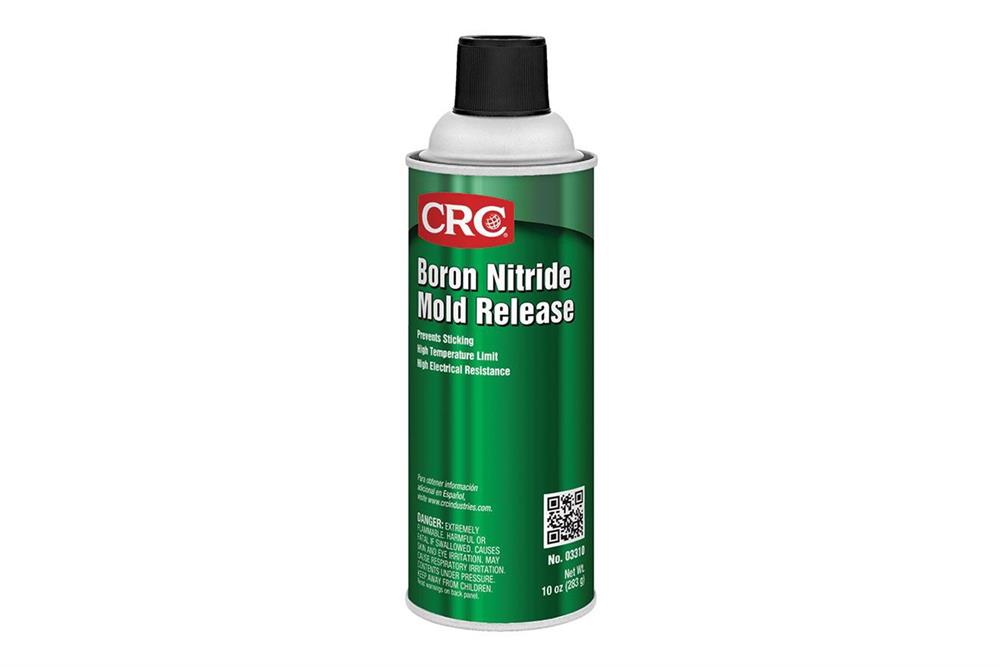
  • You may consider using BNMR for easy mold release. Please click the picture below to order.
Steps to make sample pellet
,
Pressing Die 1/8" - 3" 
Laboratory Mill & Mixer

Powder grinding & Mixing
Gravity Convection Ovens, Max. 300C

Drying Ovens

Calcining & Sintering

Hydraulic Press
CIP - Cold Isostatic Press

You might also like...