Skip to product information
1/2" (12.7mm) I.D. Dry Pellet Pressing Die - Die12DB

1/2" (12.7mm) I.D. Dry Pellet Pressing Die - Die12DB

SKU: die-12d-b

Price: RFQ

Specifications

Die-12D-B is a 1/2" I.D. pressing die set for making 12.7 mm diameter sample pellets. The pressing die is made of high-strength and polished carbon steel to achieve high hardness for meeting the essential requirements of making ceramic or metallic samples. SPECIFICATIONS: Maximum Load (at room temperature) 12 metric Ton 930 MPa Material HRC 60 - 62 hardened steel Ra 0.08 μm highly polished steel All pressing dies are made of high-strength carbon steel to achieve high hardness to meet the essential requirements of making ceramic or metallic samples. Otherwise, the pressing surface could probably get scratched. Max. Working Temperature 280 °C Material Requirement 32-75 Microns Do not use this die set for pressing powder with a particle size of 30 microns or smaller ; Small particles may slip into the gap of the die parts and damage the sleeve during the compression. Ball mill or ground the powder to the size of 32~75 microns powder before pressing . Please consider using the 3'' Dia. Sieve Set No.200&450 Mesh to separate the 32~75 microns particles from the powder clumps. For pressing sticky metal powders such as Al, Mg, and Zn, it is necessary to use dry or alcohol-based tool lubricant to lubricate the die and sleeve set to reduce friction during the compression. Package Content One pressing die sleeve One top-pressing rod One bottom-pressing rod One support plate One die kit container Safety Precaution To avoid the risk of accidents and damage to the Pressing Die, please read these instructions carefully before installation and before using it for the first time. Read the manual, especially the die installation schematic , before the operation. Do not press flammable, explosive materials. The operator must wear protective goggles. You must have a hydraulic pellet press equipped with the Protection Cover , please click the pictures to the left to order. To avoid damaging the die core and sleeve , we strongly recommend pressing powder with a professional laboratory hydraulic press to ensure the evenest pressing interface and uniform pressure force. Dies with small diameters (≤12 mm) are more vulnerable to off-center compression, leading to pre-mature top pressing rod failure much below the rated load. Please have top/bottom plates in place and carefully align the die with the centerline of the press machine. Pressing Die Installation Schematic / Instruction Mixing and grinding chemical powder by agate mortar or Ball Mill Calcine mixed the powder in a high temp furnace under a suitable temperature Crushing and Grinding calcined powder again by mortar or ball mill Put calcined powder into the die Pressing sample by a pressing machine under suitable pressure ( You may use CIP to press again to increase density by about 5 - 10%. ) Take out the pellet sample from die Sintering the pellet under a suitable temperature Application Notes Use ethanol to clean the pressing die before and after use every time Use anti-rust oil after the operation and store the kit inside the original box in a dry place to avoid rusting. You may consider using BNMR for easy mold release. Please click the Pictures1 to order. You may order a BN sleeve and die for electric insulation pressing. Related Products Pressing Die 1/8" - 3" Powder grinding & Mixing Drying Ovens Calcining & Sintering Hydraulic Press CIP - Cold Isostatic Press

Maximum Load
(at room temperature)
12 metric Ton
930 MPa
Material HRC 60 - 62 hardened steel 
Ra 0.08 μm highly polished steel
All pressing dies are made of high-strength carbon steel to achieve high hardness to meet the essential requirements of making ceramic or metallic samples. Otherwise, the pressing surface could probably get scratched.
Max. Working Temperature 280 °C
Material Requirement
  • 32-75 Microns
  • Do not use this die set for pressing powder with a particle size of 30 microns or smaller; Small particles may slip into the gap of the die parts and damage the sleeve during the compression.
  • Ball mill or ground the powder to the size of 32~75 microns powder before pressing. Please consider using the 3'' Dia. Sieve Set No.200&450 Mesh to separate the 32~75 microns particles from the powder clumps.
  • For pressing sticky metal powders such as Al, Mg, and Zn, it is necessary to use dry or alcohol-based tool lubricant to lubricate the die and sleeve set to reduce friction during the compression. 
Package Content
  • One pressing die sleeve
  • One top-pressing rod
  • One bottom-pressing rod
  • One support plate
  • One die kit container
Safety Precaution
  • To avoid the risk of accidents and damage to the Pressing Die, please read these instructions carefully before installation and before using it for the first time.
  • Read the manual, especially the die installation schematic, before the operation.
  • Do not press flammable, explosive materials.
  • The operator must wear protective goggles.
  • You must have a hydraulic pellet press equipped with the Protection Cover, please click the pictures to the left to order.
  • To avoid damaging the die core and sleeve, we strongly recommend pressing powder with a professional laboratory hydraulic press to ensure the evenest pressing interface and uniform pressure force.
  • Dies with small diameters (≤12 mm) are more vulnerable to off-center compression, leading to pre-mature top pressing rod failure much below the rated load. Please have top/bottom plates in place and carefully align the die with the centerline of the press machine.
Pressing Die Installation Schematic / Instruction


  1. Mixing and grinding chemical powder by agate mortar or Ball Mill
  2. Calcine mixed the powder in a high temp furnace under a suitable temperature
  3. Crushing and Grinding calcined powder again by mortar or ball mill
  4. Put calcined powder into the die
  5. Pressing sample by a pressing machine under suitable pressure
  6. You may use CIP to press again to increase density by about 5 - 10%.)
  7. Take out the pellet sample from die
  8. Sintering the pellet under a suitable temperature
Application Notes

  • Use ethanol to clean the pressing die before and after use every time
  • Use anti-rust oil after the operation and store the kit inside the original box in a dry place to avoid rusting.
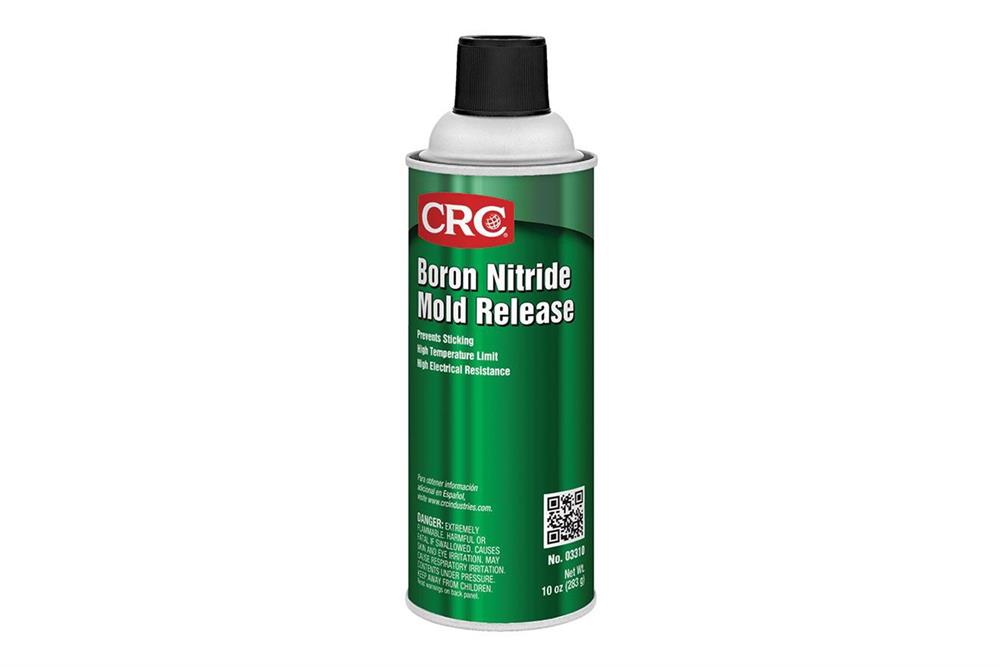
  • You may consider using BNMR for easy mold release. Please click the Pictures1 to order.
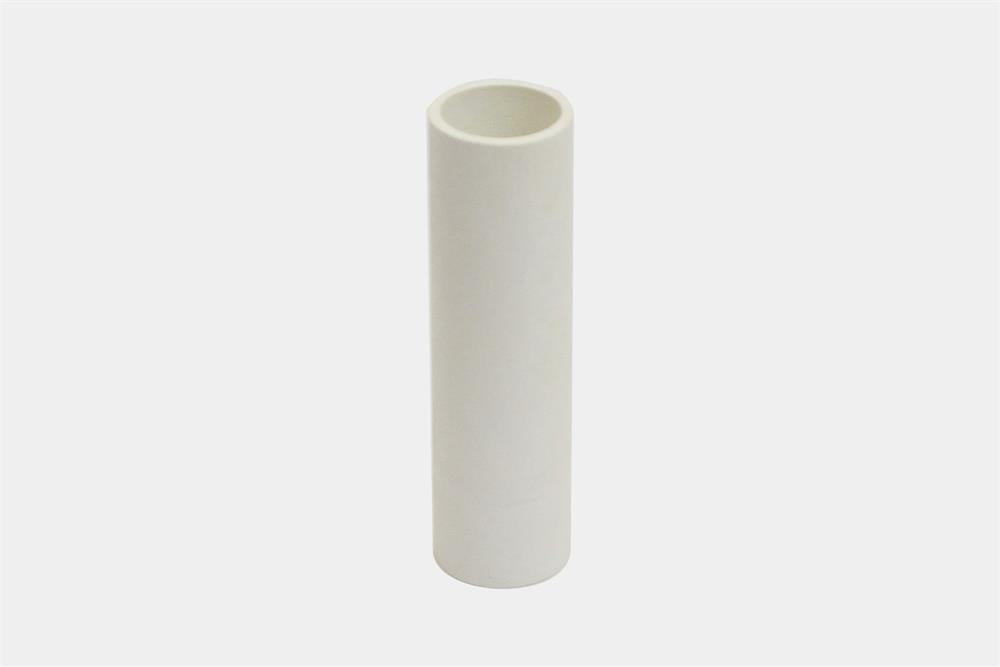
  • You may order a BN sleeve and die for electric insulation pressing.
  •              
,
  1. Mixing and grinding chemical powder by agate mortar or Ball Mill
  2. Calcine mixed the powder in a high temp furnace under a suitable temperature
  3. Crushing and Grinding calcined powder again by mortar or ball mill
  4. Put calcined powder into the die
  5. Pressing sample by a pressing machine under suitable pressure
  6. You may use CIP to press again to increase density by about 5 - 10%.)
  7. Take out the pellet sample from die
  8. Sintering the pellet under a suitable temperature
,
Pressing Die 1/8" - 3" 
Laboratory Mill & Mixer

Powder grinding & Mixing
Gravity Convection Ovens, Max. 300C

Drying Ovens

Calcining & Sintering

Hydraulic Press
CIP - Cold Isostatic Press

You might also like...